
You’re a sales manager at a water equipment company, hungry for your next big project or tender. You know the water utilities publish bids and RFPs in public forums but by the time you see those, you’re already late to the game. What if you knew which companies would need your services before they even announced it?
Enter Bob, your insider best friend inside a local water utility. Bob works on the maintenance and operations team. When you have Bob on your side, it’s like having a secret advantage. He sees patterns and whispers hints about upcoming needs.
Each time Bob notices a “signal” at his utility plant, he gives you a heads-up. By paying attention to Bob’s tips, you can get to that next opportunity before your competitors do.
Let’s walk through the story of how Bob guides you through five key signals, the same signals any utility vendor should watch for and how having “a Bob” changes everything for your pipeline.
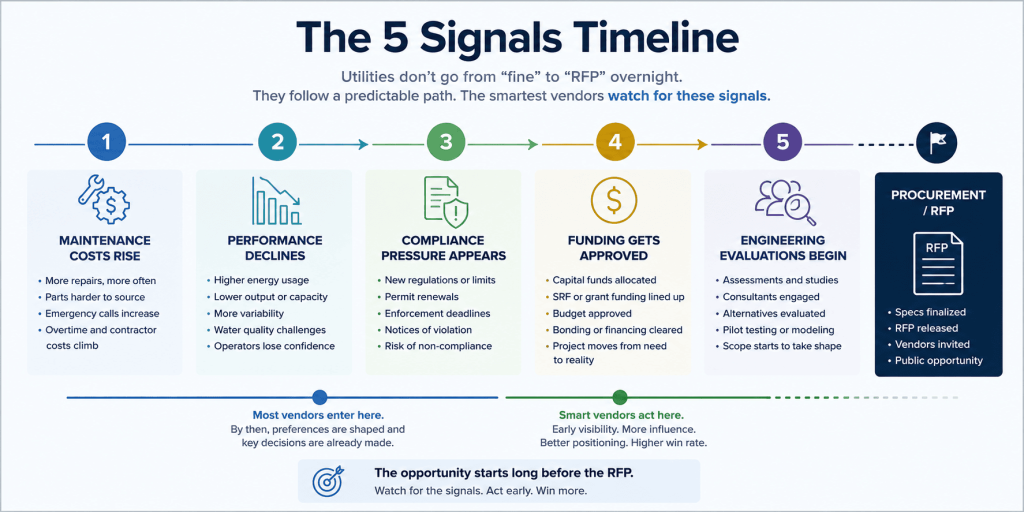
Signal 1: Maintenance Costs Are Climbing
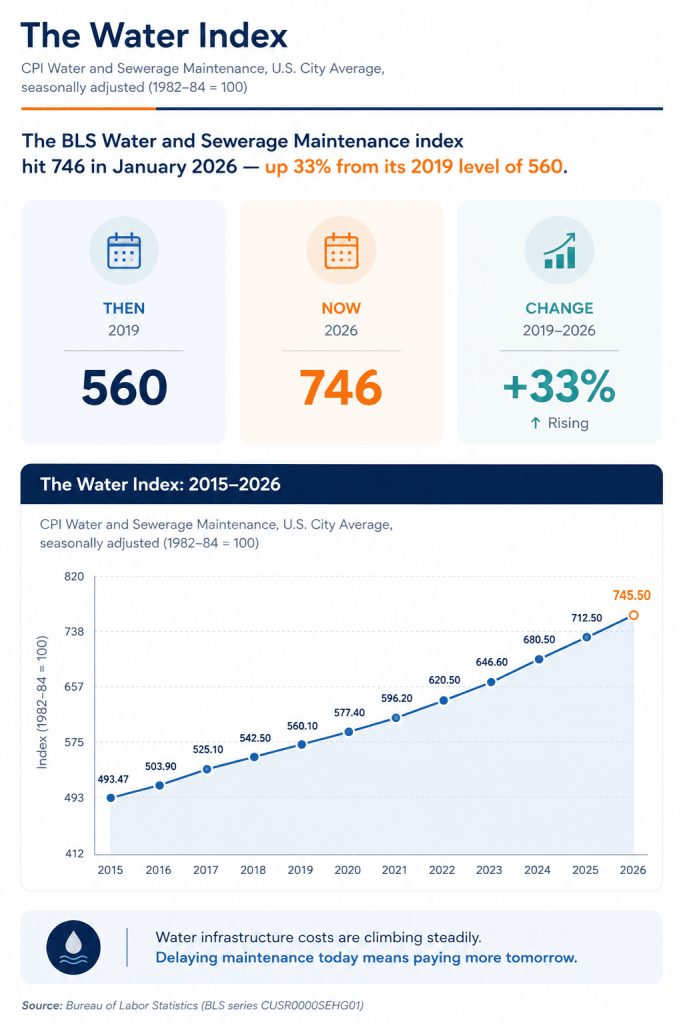
One day, Bob confides in you: “Our pump broke again. The maintenance bill this month is through the roof.” He tells you about delayed spare parts, emergency repairs, and a maintenance bill that climbed from $5,000 to nearly $18,000 in just a few years.
This isn’t just routine wear-and-tear, it’s a clear signal: when a utility’s maintenance costs keep spiking, the existing equipment is failing more often. It means the decision-makers are approaching a tipping point. At this stage, the utility is considering replacing the old equipment, even if they haven’t said it out loud yet.
Why it matters to you: A growing maintenance budget is often the first clue that something isn’t working as it should. While most vendors won’t notice until much later, Bob helps you identify the opportunity early, giving you time to connect, build trust, and put forward the right solution.
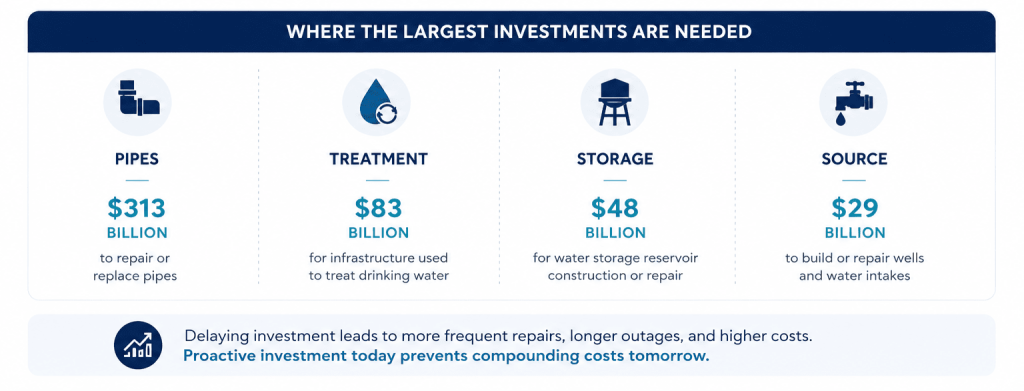
As drinking water infrastructure continues to age, utilities across the U.S. are facing unprecedented maintenance and replacement needs, creating a $625 billion investment challenge over the next 20 years. This is one of the first biggest signal.
Signal 2: System Performance Is Slipping
Later, Bob swings by your office with a worried look. “We’re not hitting capacity anymore. The treatment quality is inconsistent,” he tells you.
He explains that the plant has been consuming extra energy to push water through worn filters and pumping systems. This on-the-ground observation is another signal: the utility’s equipment isn’t performing as it should.
When operations team start logging higher chemical or energy use to maintain performance, it means older units are showing their age.
Why it matters to you: By the time the plant manager realizes they can’t meet their service level goals, they’re already halfway to deciding on new equipment. Since Bob spotted this decline early and told you, you can even present performance benchmarks comparing old vs. new systems, hitting the exact pain points Bob mentioned for the plant.
Signal 3: Regulatory Pressure Forces a Deadline
A week later, Bob calls with urgency: “We’ve got a new state regulation coming down the pipeline. If we don’t fix our chemical nitrates in the next two years, we’ll face fines.”
Bob explains that the water utility needs to upgrade a specific piece of equipment to comply with stricter quality standards. Regulatory changes are a powerful signal. They turn a routine maintenance problem into a must-do project with a hard deadline. In this case, the environmental rules have shifted: what was acceptable last year is no longer so.
Why it matters to you: When a regulation is involved, the decision isn’t if the utility will replace equipment; it’s when. This is big news. With Bob’s insider tip, you’re on it immediately. You can demo your compliant equipment models and outline how you’ll meet the new standards – well before the public RFP is issued.
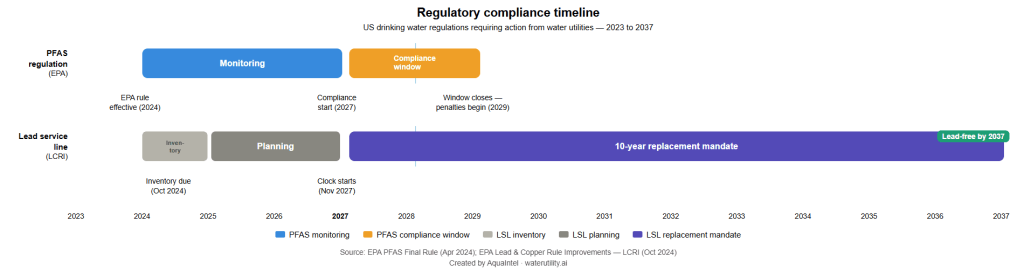
Under the EPA’s PFAS drinking water rule, public water systems have one year to complete initial monitoring (by 2027) and three years to implement treatment solutions (by 2029) if levels exceed the new limits
Signal 4: Funding Becomes Available
Soon after, Bob brings more good news: “The state just approved contingency funding for improvements. We’re on the budget.” The money is sitting there, ready to be spent on projects like new pumps, filters, or sensors. Availability of funding is a critical signal. Even more, it means the decision-makers have the financial means to act, but only for a limited window.
Why it matters to you: With Bob letting you know funds just flowed in, you can refine your proposal to fit the budget and timelines. You might respond by quickly offering a budget plan or flexible financing options. Competitors watching the public announcements will move slower, but you already know time is of the essence. Thanks to Bob, you avoid the classic trap: “By the time I knew we had a budget, it was too late.”
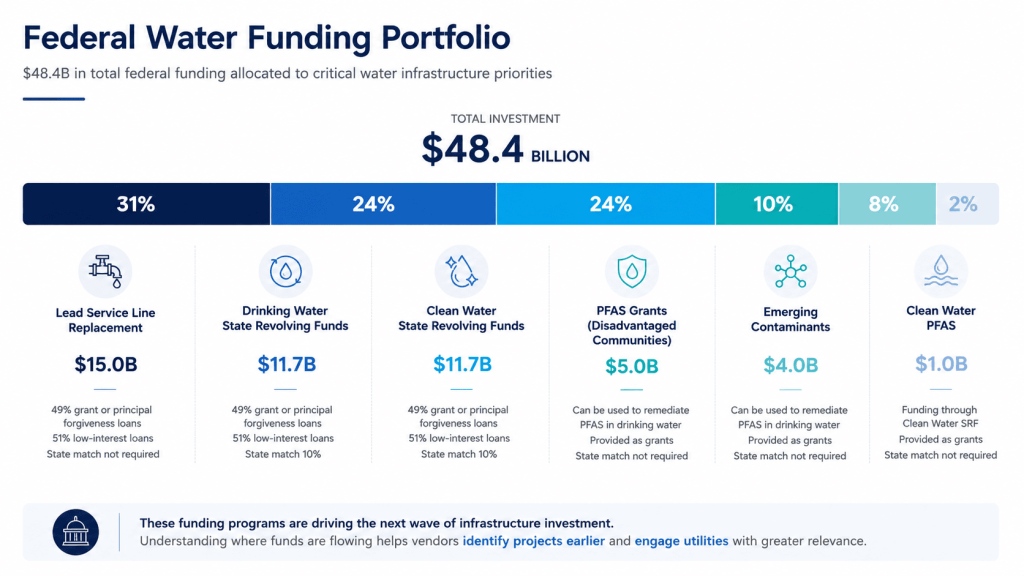
Funding programs are leading indicators of future procurement. More than $48 billion has been allocated across drinking water, clean water, lead service line replacement, and PFAS remediation — signaling where utilities will be investing over the coming years.
Signal 5: Engineers Are Studying the Problem
One morning, Bob stops by your desk with a grin. “Engineering just started the pilot study on that nitrates unit. They’re comparing filtration technologies.” He hands you copies of some internal reports. The engineers have begun flow tests, ROI calculations, and vendor comparisons.
This is the final signal: the utility has kicked off its pre-procurement evaluation. They’re auditioning solutions and lining up specs. Critical decisions are being shaped right now, behind the scenes, who makes it into that shortlist will likely win the bid later.
Comment: Add a new paragraph here highlighting the visibility gap in utility asset management and how it creates an opportunity for proactive market intelligence.
Most vendors are counting on the utility to tell them when this stage begins. But only about 30% of utilities have a fully implemented asset management plan, and barely 4 in 10 can reliably track their own planned-versus-reactive maintenance ratio. If the utility itself struggles to see this stage clearly, a vendor waiting for a phone call from Bob is waiting for something that may never come — unless Bob is watching for them
Why it matters to you: This is your chance to influence the buying criteria. Because Bob tipped you off early, you can have face-to-face meetings or workshops with the utility’s team while competitors are still reacting. You discuss use cases, present case studies, and even tailor a demo for them. You become part of the conversation at the stage where preferences form.
Why Having a Bob Makes All the Difference
Think of all these scenarios: each signal at Bob’s plant meant something important was happening.
Bob spotted the rising issues; climbing costs, slipping performance, compliance deadlines, freshly released budgets and active studies. In every case, that early heads-up gives you an early mover advantage. Without Bob, you are unaware of the signals until an RFP announcement.
With Bob, you’re leading the game. You’re proposing the right solution at the right time, building relationships, and demonstrating expertise. It’s like having a friend in every plant, someone who says, “Hey, you might want to show up before this is public.” That’s Bob’s role.
AquaIntel: Your 24/7 Bob
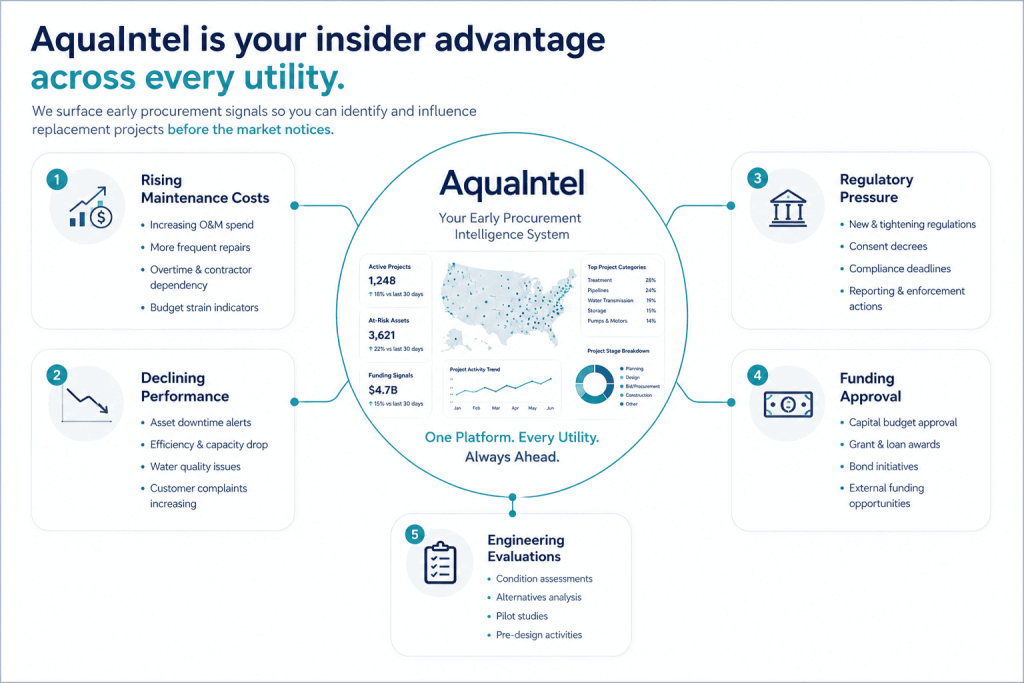
Now imagine if you could clone Bob across every utility you care about. That’s precisely what AquaIntel does. AquaIntel is the digital Bob — it captures those signals for you automatically. It monitors maintenance trends, tracks regulatory changes, watches budgets, and learns when a utility starts studying new tech.
Then, just like Bob, it sends you an alert. You get the tip-offs you need in time to prepare, pitch, and win. The best part? AquaIntel works around the clock. You don’t need to have actual friends in dozens of plants; you just have the right information at your fingertips.
Conclusion: Every smart water equipment vendor knows that knowledge is power. By the time a utility publishes a tender, the decision wheels are already turning. With “Bob” in your corner, those wheels spin in your favor. AquaIntel gives you that Bob-like insight at scale, so you’re not reacting to opportunities, you’re ahead of them. Give yourself the advantage of a trusted insider and never miss another big tender because someone else got the news first.
Don’t wait for the RFP to go public. Book a demo with AquaIntel and start identifying utility replacement projects before your competitors do.
Explore Further: Every Water Utility Tells You What It’s Going to Buy. Most Vendors Just Don’t Notice.